
Thailand
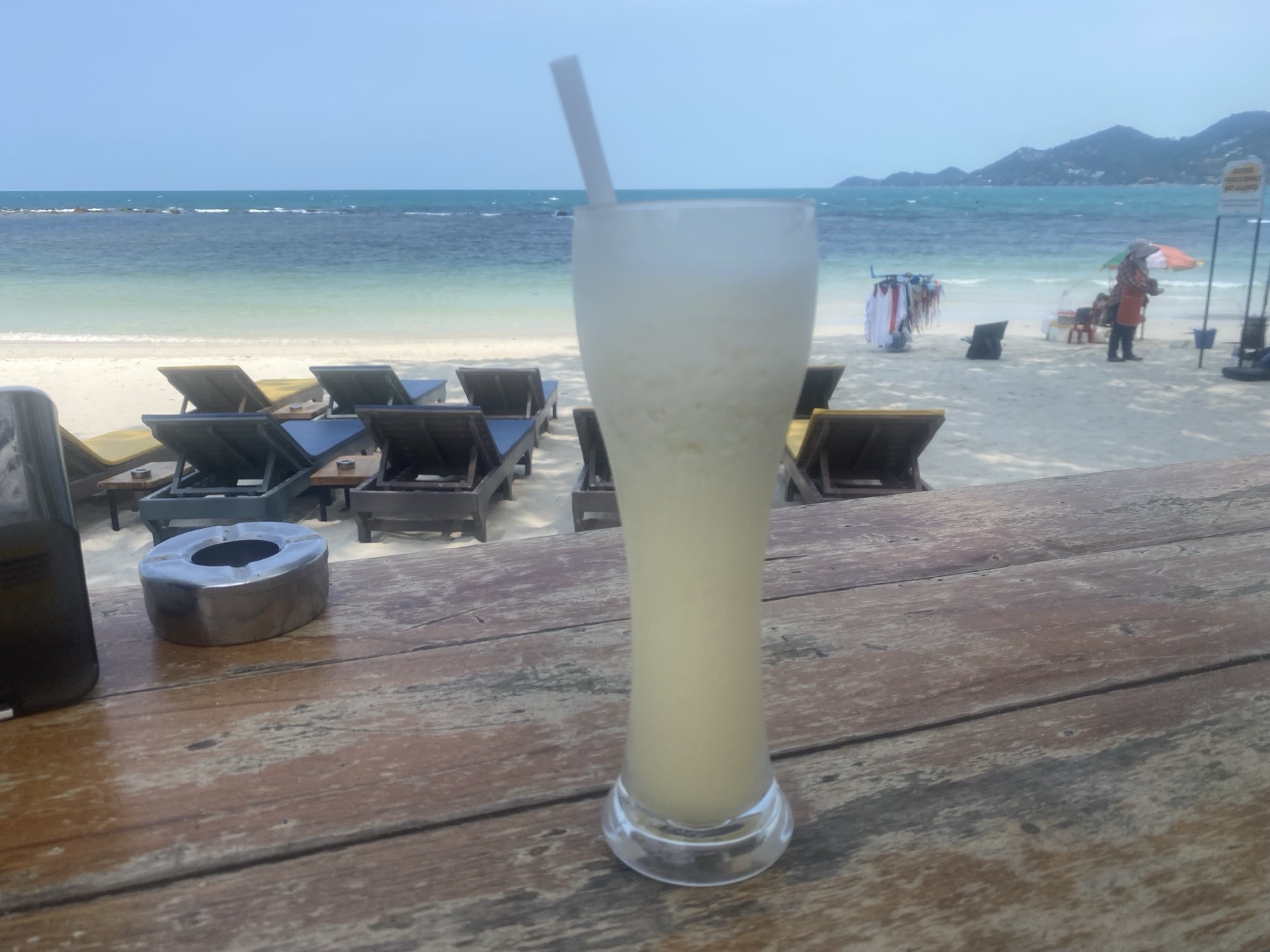
Thailand is easy to travel and hard to see all of. The distance between a temple courtyard in the capital and an empty beach in the Gulf is one short flight, and the two have almost nothing in common beyond the language. Most trips are built from two or three places rather than one, and the choice of which two matters more than anything else you will decide.
The cities
Bangkok is the arrival point for almost everyone and deserves more than the night most people give it: temples along the river, the best eating in the country, and a nightlife that runs from rooftop to basement. Pattaya is two hours south-east on the coast, smaller, louder and cheaper, with a reputation built on its nights and a daytime that surprises people.
The islands
Phuket is the largest island and the most developed, with the widest range of beaches and the easiest access. Koh Samui sits in the Gulf on the other side of the country, with its own airport and a calmer, more resort-shaped feel. Koh Phangan is just north of Samui and is two islands in one — the Full Moon Party on one beach and near silence on most of the others.
Culture
Thailand is a Buddhist country and it shows in ordinary daily life rather than only in monuments. Temples are active places of worship and not museums, which is why dress rules at the door are taken seriously — covered shoulders and knees, shoes off inside. Festivals like Loy Krathong are worth planning a trip around if the dates line up.
Food
The food is the reason many people come back. It is cheap at street level, excellent at street level, and the gap in quality between a stall and a restaurant is far smaller than the gap in price. Learn four or five dishes by name before you arrive and you will eat better for the whole trip.
When to go
Broadly, November to February is the dry, cool and busy season across the country: the best weather, the highest prices, and accommodation that goes early. The Gulf islands — Samui and Phangan — run on a slightly different calendar from the Andaman coast, so if you are combining an island with the mainland, check both rather than assuming one season covers the trip.
Getting around
Domestic flights are frequent and inexpensive, and they are how most people cover the long distances. Trains and buses are cheaper and slower, and the overnight train is an experience in itself. Ferries connect the Gulf islands to each other and to the mainland at Surat Thani.
Where to go
Practical notes
- Cash is still king at street level; cards work everywhere else
- Tipping is not expected, and rounding up is normal
- Cover shoulders and knees for temples, and take your shoes off inside
- Bargaining belongs in markets, not in shops or restaurants
- Tap water is not for drinking; bottled water costs almost nothing
Money and getting connected
The baht is cash-friendly and ATMs are everywhere, though foreign cards are usually charged a fixed fee per withdrawal, so fewer larger withdrawals cost less than many small ones. A local SIM or eSIM is inexpensive and worth buying at the airport, because ride-hailing, maps and ferry bookings all assume you have data.